Beyond the Red Tape: Breaking Down Accessibility Barriers in Nigeria
Nigeria's journey toward inclusivity reveals deep challenges as people with disabilities face daily barriers in accessing public services.
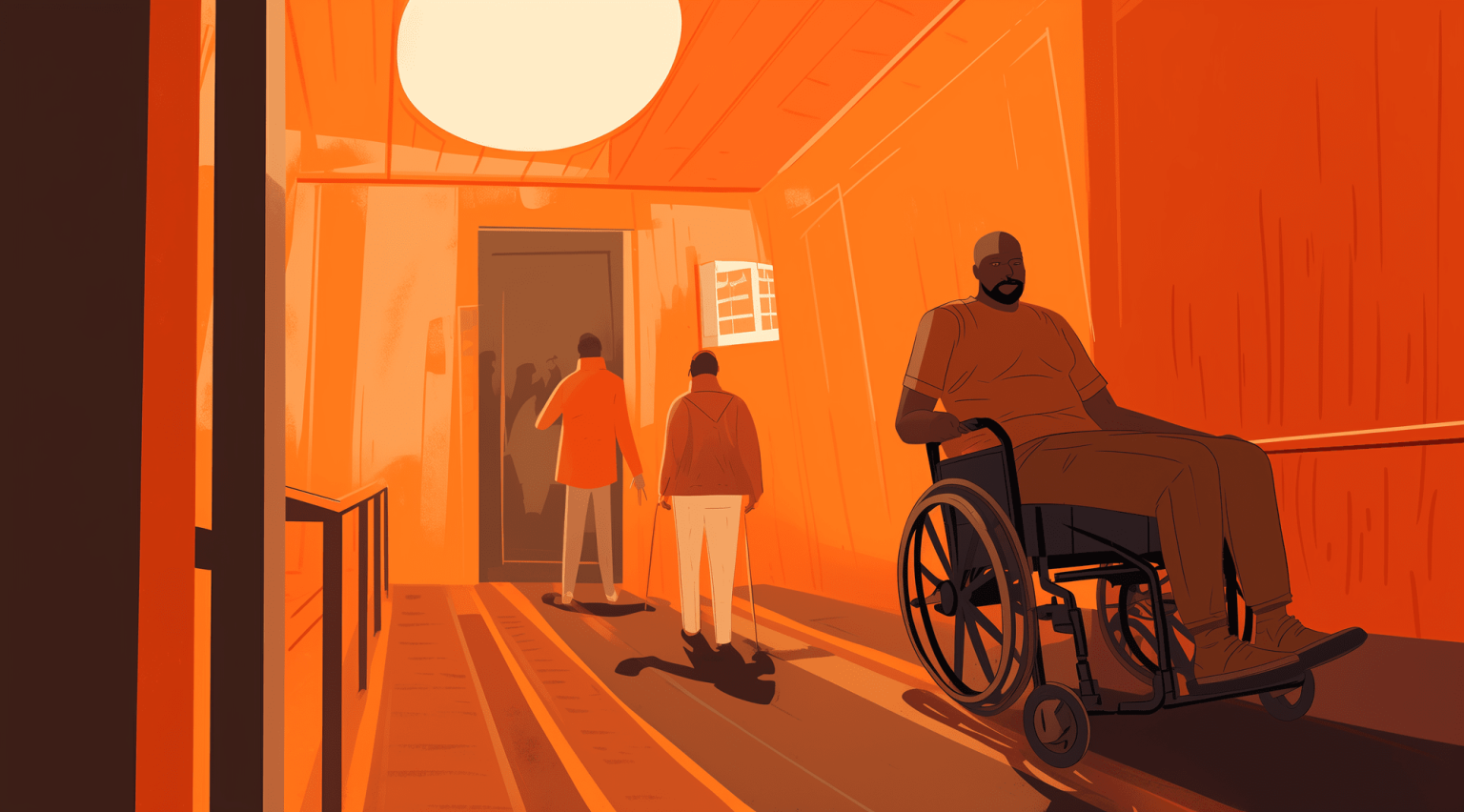
In a world relentlessly pursuing inclusion, Nigeria stands at a crossroads where progress clashes with persistent challenges. Despite aspirations for a society that embraces all, a significant segment grapples with daily hurdles—those with disabilities. They occupy space in Nigeria's narrative, facing barriers that hinder their full participation in public life.
This exploration plunges into the labyrinth of challenges confronting individuals with disabilities as they seek access to public services. From navigating public transport to confronting healthcare and government facility limitations, we unveil the obstacles constraining their societal engagement, advocating for transformative modifications.
In the chaotic heartbeat of Nigeria's bustling cities, public transportation fuels the pulse of urban life. Yet, for the disabled, it's a journey through a landscape riddled with obstacles. Take Lagos, a metropolis pulsating with the rhythm of the BRT (Bus Rapid Transit) system. Amid the crowded interiors, towering steps, and narrow doors, the stark reality surfaces—these modes of transport erect barriers rather than bridges.
Even the ubiquitous Danfo minibusses, hailed as the local transport heroes, lack the necessary provisions for those with mobility impairments. Ramps, if they existed, are mere illusions, overshadowed by physical challenges, rough terrain, and a lack of trained staff. As the Lagos metro rail service attempts to redefine commuting, its promise falls short for those with hearing, vision, or mobility impairments. The tracks of progress seem to skip over inclusivity.
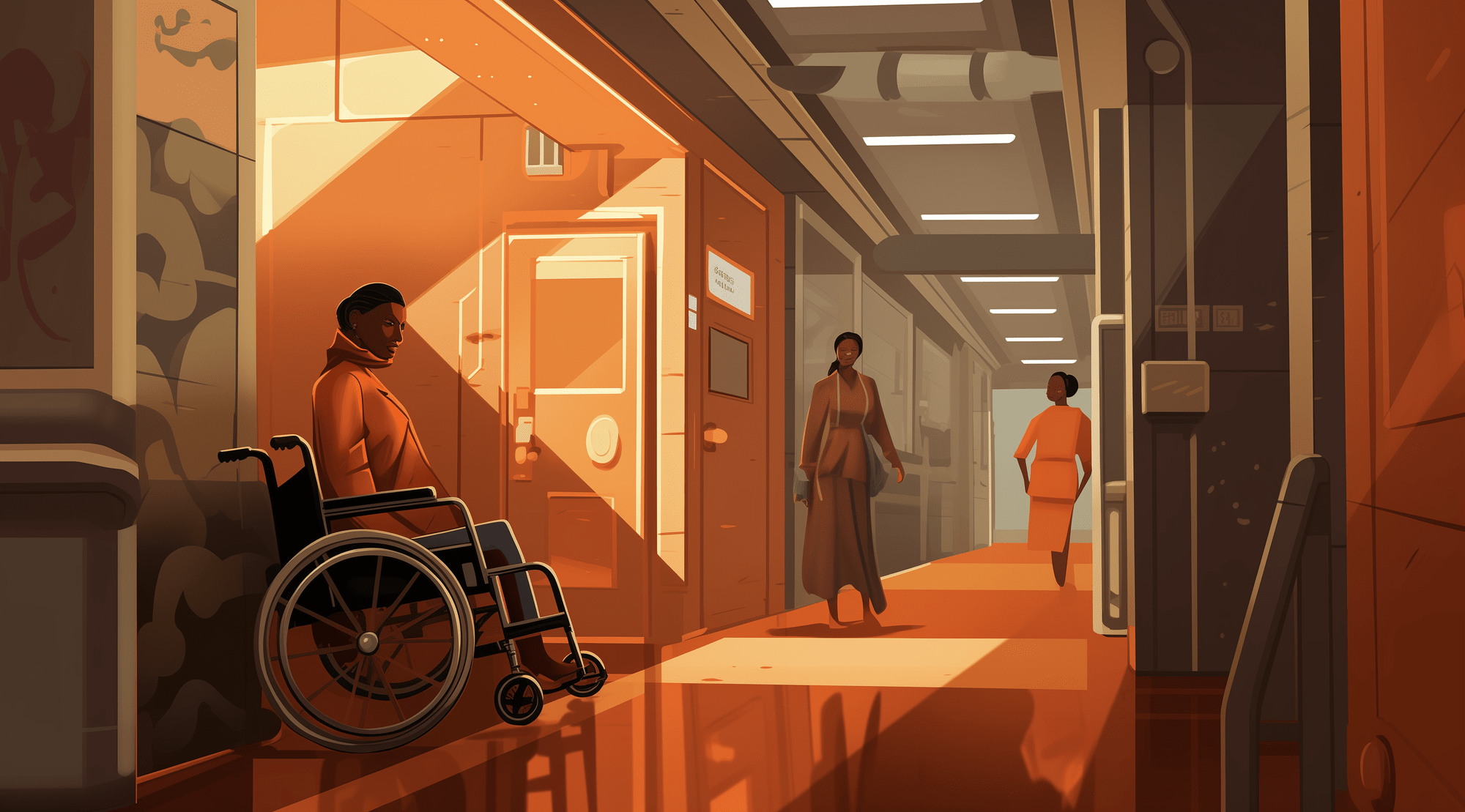
In the realm of health, physical barriers loom large. Public clinics and hospitals, devoid of ramps and elevators, become fortresses that many with mobility impairments can't breach. The absence of these basic infrastructures not only bars entry but also denies access to critical medical services.
Beyond physical barriers, healthcare professionals often lack the specialized training needed to cater to patients with disabilities. The absence of doctors and nurses versed in the intricacies of disability care perpetuates inequality in treatment.
Imagine a healthcare system that embraces assistive technologies—screen readers for the visually impaired and sign language interpreters for the hearing impaired. These are not luxuries, but essential tools to bridge the communication gap and provide equitable healthcare. Yet, in Nigeria, these accommodations remain elusive in the realm of public healthcare, perpetuating a system that favors the able-bodied and neglects those with unique needs.
Imagine navigating a bustling government building with the added challenge of a mobility impairment. Towering staircases, absent elevators, and narrow doorways become more than architectural oversights; they become barriers to civic engagement. For the visually impaired, corridors devoid of clear signage create a labyrinth, and for the hearing impaired, the silence of unaccommodating technologies becomes isolating.
In an era where government interactions migrate online, accessibility transcends the physical. Screen reader compatibility, alternative text, and intuitive navigation become not just digital niceties but fundamental components of an inclusive government.
How can this chasm of accessibility be bridged? A seismic shift demands a two-pronged approach: revamping infrastructure and implementing progressive policies. Ramps, wider aisles, and designated spaces for wheelchairs are not mere luxuries; they are the stepping stones to inclusion.
Specialized training for healthcare, government, and transport staff becomes a linchpin, turning communication into an art form. Invest in cutting-edge assistive technologies; let them be the silent architects of a more inclusive society.
Embrace these changes not as concessions but as a collective stride toward a society where every voice, every step, is not just heard but valued. Accessibility isn't an indulgence; it's the bedrock of a society truly committed to inclusivity.
Written By
Favour Olumuyiwa is a contributing writer at Susinsight, exploring systems and progress across Africa.
Filed Under